2026-09-02 ·
How Much Does Roof Maintenance Cost Per Year
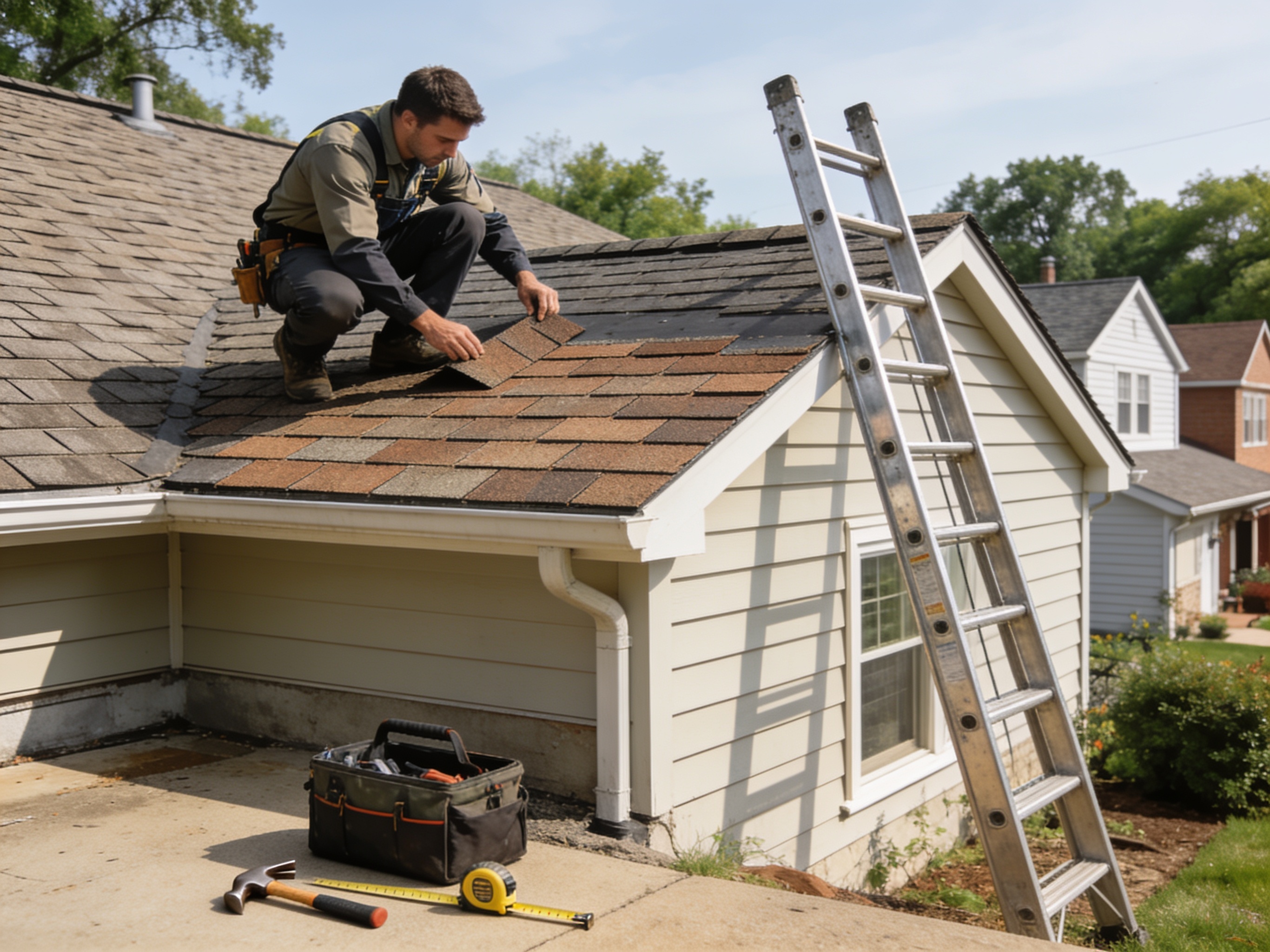
Most homeowners in Newtown Square spend $150–$450 per year on routine roof maintenance for a typical asphalt-shingle house, with many landing closer to $200–$350 if they stick to one professional inspection plus gutter and flashing touch-ups. Larger or older roofs in Edgemont and Gradyville, or those after a hard winter, can push the annual total to $500–$900 when small repairs get bundled in. Those figures cover labor and modest materials, not a full roof repair or a new install.
Typical Yearly Maintenance Tasks in Newtown Square
A useful annual visit in Delaware County is not a cosmetic wash. Crews walk the roof after freeze-thaw, check nail pops on mid-century colonials common near Tyler Arboretum, clear valleys of oak debris, reseal pipe boots, and inspect drip edge at chimneys. Gutter cleaning often rides along because humid summers grow algae in downspouts that back water under shingles. For a 1,800–2,400 sq ft ranch or two-story in Newtown Square, that inspection-plus-tune-up is usually $175–$325. Add $50–$150 if moss or granule loss needs treatment. Metal and slate need different fasteners and sealants, so the same visit can run $250–$500. Newtown Square Roofing Inc works from 3475 West Chester Pike with hours Mon–Fri 8am–6pm and Sat 9am–2pm so owners can schedule around West Chester Pike traffic.
Cost Ranges by Roof Type Around Newtown Square
Asphalt shingles dominate streets from the Corporate Campus out toward Edgemont. A yearly walk, fastener check, and a tube of sealant typically stay in the $150–$350 band. If you later need new shingles, read Shingle Installation Cost: What to Expect so you do not confuse maintenance with replacement. Standing-seam metal sheds ice well but needs screw and panel-lap checks; budget $250–$500 a year. Slate on older Gradyville and Wayne-adjacent homes is durable yet brittle; a careful inspection and a few replacement slates can be $400–$800. Low-slope or EPDM sections on additions near Media need membrane seams reviewed; plan $200–$450. Bundling gutters with roof maintenance often saves a second trip charge of $75–$125.
Weather, Terrain, and Housing Stock That Drive the Bill
Delaware County sits in a humid subtropical pattern: hot, sticky summers and cold winters. That cycle lifts shingles, cracks flashing, and packs ice in north-facing valleys on houses tucked among the trees around Tyler Arboretum. Clay-heavy soils and gentle slopes in Newtown Square and Broomall mean water lingers at foundations and eaves, so drip edge and kick-out flashing fail earlier than on drier ridges. Many homes are 40–80 years old with mixed additions; those transitions are where leaks start. After a windy nor’easter, a same-year extra visit of $125–$275 is common if a few tabs lifted. Owners in Media and Wayne see similar patterns because the housing stock and tree cover match. Skipping a year often turns a $40 boot into a wet sheathing job.
How to Keep Yearly Costs Predictable
Schedule the main visit in late spring after the last freeze, then a short fall check if oaks dump heavy leaf loads. Photograph problem spots so you can compare year to year. Ask for an itemized quote that separates inspection, cleaning, and materials; surprise line items usually come from unlisted sealant or extra ladder setups on steep pitches. Keep attic ventilation clear so summer heat does not cook shingles from below. If a storm hits, document damage the same week rather than waiting for the next annual slot. Owner-operated crews who give upfront quotes and work you can inspect on the roof itself tend to keep totals inside the ranges above. Hours at 3475 West Chester Pike make weekday or Saturday drop-ins realistic for keys and access.
When Maintenance Is No Longer Enough
If two or three annual visits in a row keep finding the same wet decking, widespread granule loss, or curling across a whole slope, you have left the maintenance budget. At that point a targeted repair or a full roof installation is cheaper than repeating $400–$700 patch years. Soft spots near chimneys, sagging between rafters, and interior stains after ordinary rain are the usual tells on Newtown Square colonials. Flat or low-slope additions fail faster in this humidity than steep asphalt. A honest walk-through should say whether you are still in the $150–$450 yearly lane or whether replacement planning is the next responsible step. That distinction is the whole point of paying for maintenance in the first place.