2026-09-02 ·
Residential Roof Snow Removal: When and Why It's Necessary
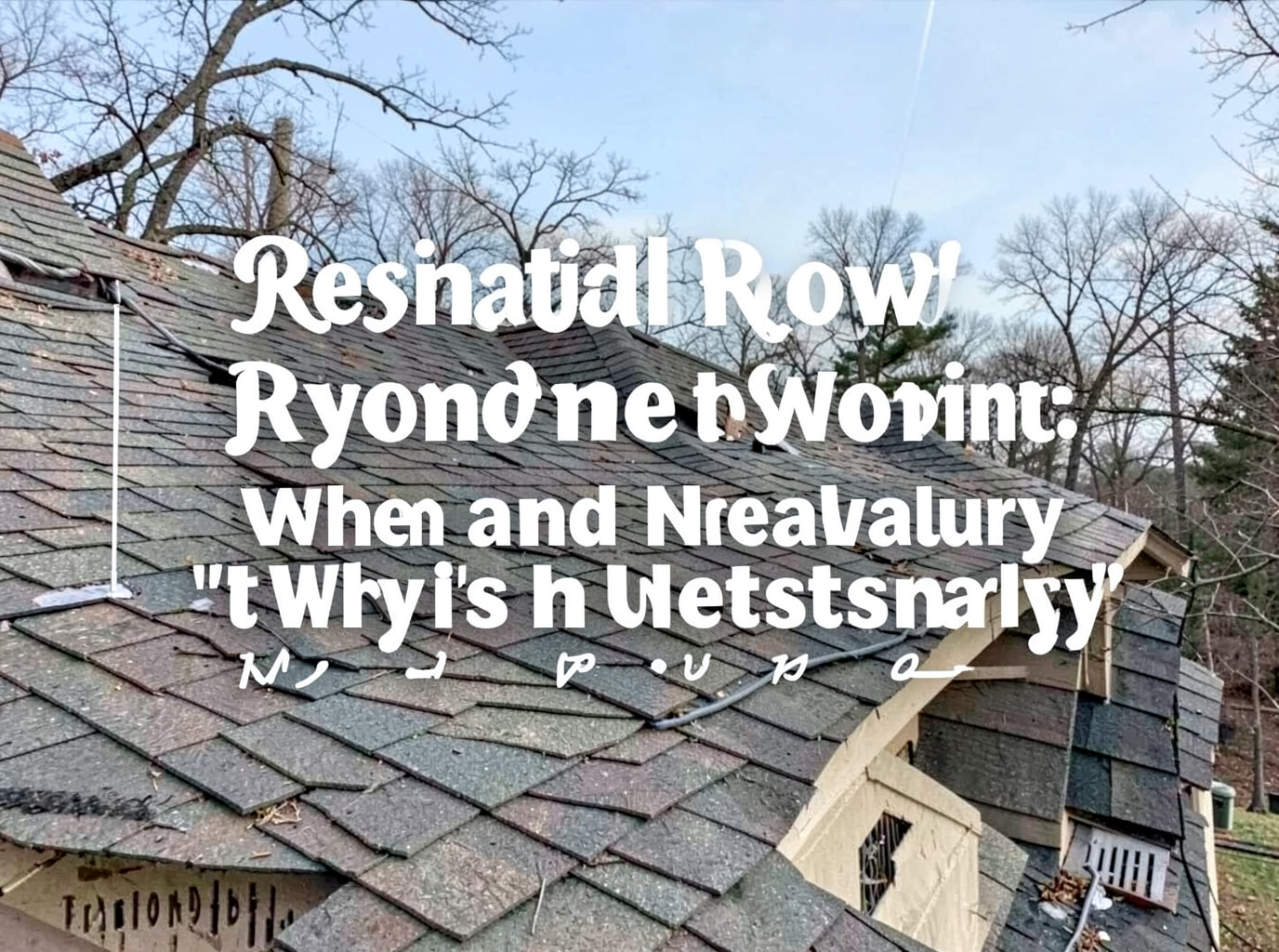
Residential roof snow removal is necessary in Newtown Square once wet snow reaches 8–12 inches or ice dams form after a thaw, because that load can add 10–20 pounds per square foot and push meltwater under shingles on older wood-frame houses in Edgemont and Gradyville. Delaware County winters swing from hard freezes to rain, so snow rarely stays light; it packs, then melts against warm attic air. Homes near Tyler Arboretum sit on rolling terrain that sheds runoff toward lower roofs, and the same pattern shows up around Newtown Square Corporate Campus neighborhoods. Waiting until the next warm spell often means leaks rather than a clean melt. This post explains the thresholds, the local roof types that fail first, and the safe sequence that actually protects the deck instead of scraping it.
When Snow Load Crosses From Nuisance to Structural Risk
Most Newtown Square roofs are asphalt-shingle or older slate on 2x6 or 2x8 rafters sized for typical mid-Atlantic snow, not for repeated wet packs. A dry powder storm of 6 inches is usually fine; the same depth of dense, rain-soaked snow after a January thaw is not. On a 1,800-square-foot roof that extra weight can exceed 8,000–15,000 pounds before you add ice. Houses in Gradyville and along West Chester Pike often have shallower pitches on rear additions, so snow sits instead of sliding. Freeze-thaw cycles common once winter temperatures drop turn the bottom layer into ice that bonds to the shingles. If you hear creaks, see sagging ridge lines, or notice interior drywall cracks after a storm, the load has already moved past design. Metal and standing-seam roofs shed better, but older asphalt still dominates residential stock here. Clearing the first 3–4 feet from eaves with a roof rake from the ground reduces the lever arm that pries rafters. Never climb a snow-covered roof; the slip risk and the chance of punching through are both high on cold, brittle decks.
Ice Dams, Gutters, and Why Delaware County Thaws Cause Leaks
Ice dams form when attic heat melts snow at the ridge, water runs to the cold eave, and refreezes. In Newtown Square that cycle repeats several times each winter because daytime highs often climb above freezing even after a 20-degree night. The dam then forces water up under the first three courses of shingles and into the fascia. Homes near Media and Broomall share the same humid-subtropical swing, so the problem is not unique to one block. Clogged gutters from last fall’s oak leaves around Tyler Arboretum accelerate damming. Once water is inside, it finds the path of least resistance—usually the ceiling below a bathroom or the top of a bay window. That is why roof leak repair calls spike in late January and February. A roof rake that pulls snow 4–6 feet back from the eave, plus a carefully applied calcium-chloride-filled sock (never rock salt on shingles), breaks the dam without chemical damage. If you already see interior stains, stop raking and call for an interior inspection; further removal will not reverse water that has already reached the deck. Linking this to regular roof maintenance in autumn—clearing gutters and checking insulation—cuts the number of dams you will face.
Safe Removal Methods Versus Waiting for a Melt
Ground-based roof rakes with plastic or rubber blades are the only method most homeowners should use. Work from the eave upward in 2-foot strips, never standing under the falling snow. Leave a thin layer; scraping to the shingle surface gouges granules and shortens life. On low-slope or flat sections common on 1960s ranches in Edgemont, a professional with fall protection and a snow shovel designed for roofs may be required once depth exceeds 12 inches of wet snow. Do not use metal shovels, pressure washers, or heat cables as a first resort—cables can create new melt paths that refreeze overnight. Waiting for a full melt works only if the forecast shows several days above 40 degrees with no additional snow; otherwise the next storm adds to the existing pack. After removal, walk the interior looking for new stains and check the attic for frost on the underside of the sheathing. That frost is a sign that ventilation or insulation needs attention before the next storm. For broader storm follow-up, the sequence in Storm Damage Roof Repair: Your Step-by-Step Guide still applies even when the “storm” was just snow weight.
After the Snow: Inspection, Gutters, and Preventing the Next Event
Once the roof is clear, inspect from the ground with binoculars: lifted shingles, exposed nails, and sagging valleys are the usual souvenirs of a heavy pack. In Wayne and Newtown Square the same freeze-thaw that created ice dams also loosens flashing at chimneys and skylights. Clean gutters immediately; the mix of ice chunks and granules will clog downspouts and send the next rain over the fascia. A simple Roof Preventative Maintenance: A Homeowner's Checklist done in March—attic insulation depth, soffit vents clear, drip edge intact—prevents most repeat dams. If you find widespread granule loss or cracked slates, plan a replacement conversation rather than another patch; snow load is a stress test that reveals decks already near the end of their service life. Newtown Square Roofing Inc keeps shop hours Monday–Friday 8am–6pm and Saturday 9am–2pm at 3475 West Chester Pike, so a same-week look is usually possible after a major storm. The goal is not a bare roof every time it snows; it is knowing the 8–12 inch wet-snow line and the ice-dam signs that mean the structure, not just the appearance, is at risk.