2026-09-02 ·
Why Every Homeowner Needs a Residential Roof Inspection
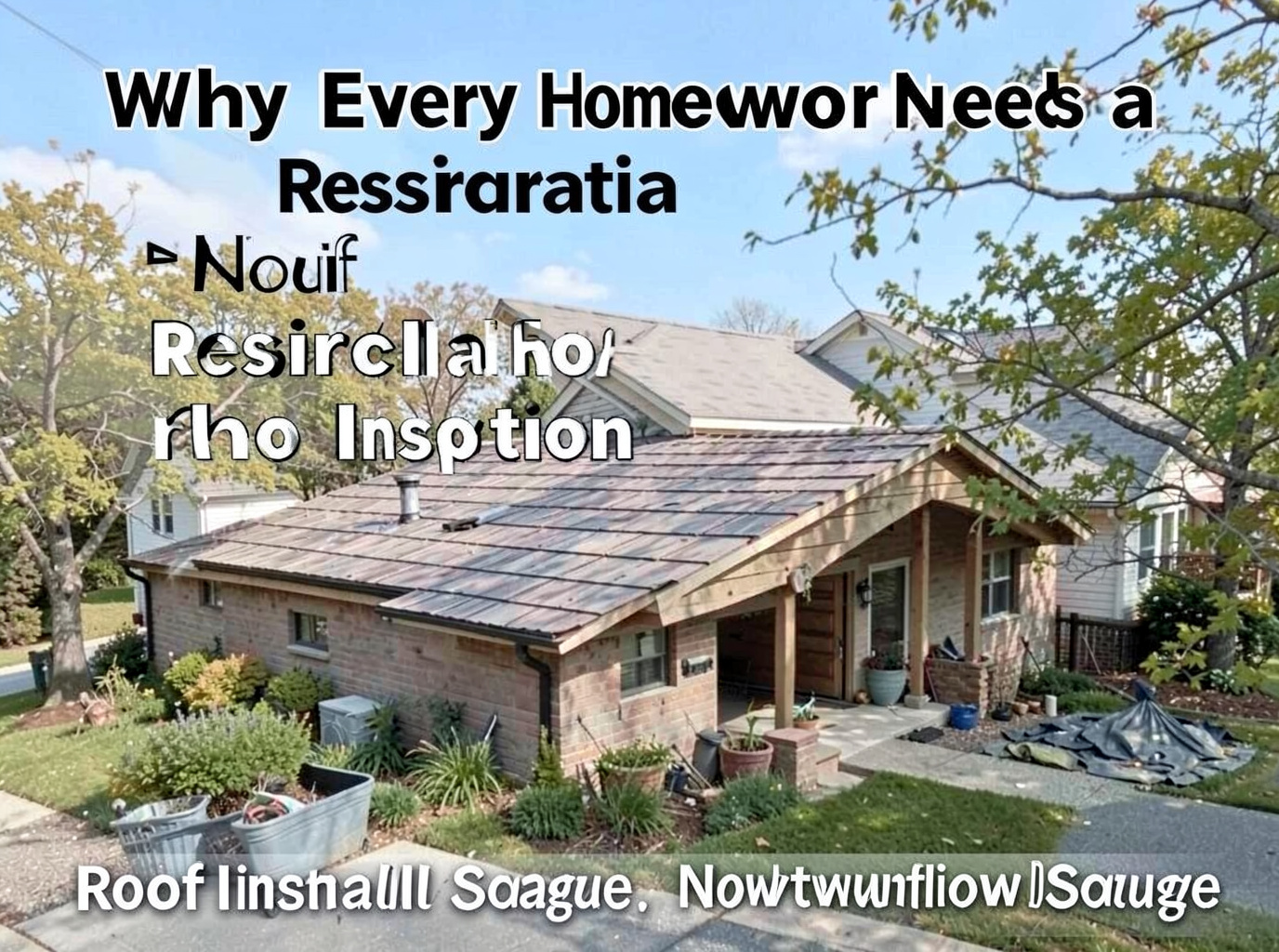
Every homeowner in Newtown Square needs a residential roof inspection at least once a year because Delaware County’s humid subtropical pattern—hot, wet summers and cold winters—quietly loosens shingles, opens flashing, and packs ice against eaves until water reaches the attic. A 30–45 minute inspection on a typical ranch or colonial here usually costs far less than the $2,000–$8,000 interior repairs that follow a missed leak. Walking the roof, checking the attic, and photographing problem spots turns guesswork into a punch list you can act on before the next storm.
Why Delaware County Weather Makes Yearly Checks Non-Negotiable
Newtown Square sits in a climate that cycles between 90-degree humidity and freeze-thaw nights. Summer thunderstorms dump water on roofs that have already baked, then winter ice dams form along north-facing eaves on homes near Tyler Arboretum and the Newtown Square Corporate Campus. Those dams push meltwater under shingles and into the deck. Granules wash off asphalt in the heat; metal flashing expands and contracts until nails back out. In Edgemont and Gradyville the same pattern hits older colonials whose original flashing was never designed for today’s storm intensity. An inspection after the first hard freeze and again after peak summer heat is the only way to see whether last year’s caulk still holds or whether a hidden valley has started to rot. Skipping it does not save money; it just delays the bill until plywood is wet and insulation is moldy.
What a Hands-On Inspection Covers on Local Roofs
A proper residential inspection is not a drive-by glance. From the ground we look at gutter lines, fascia, and drip edge for staining. On the roof we check shingle adhesion, ridge-cap nails, pipe boots, and chimney flashing—especially on the many 1960s–1980s split-levels around West Chester Pike. Inside the attic we look for daylight at the eaves, damp sheathing, and inadequate ventilation that cooks shingles from below. We note whether the deck is still ½-inch plywood or older boards that have cupped. Photos and a written list go to the homeowner the same day. If we find storm damage we flag it for storm damage roof documentation; if ventilation is the real issue we point you to roof ventilation installation. The goal is a clear picture, not a sales pitch. Most problems we catch are still in the $200–$800 range—flashing, a few shingles, a boot—rather than a full tear-off.
Housing Age and Terrain Around Newtown Square, Edgemont, and Gradyville
A large share of roofs here were installed 20–40 years ago on houses that sit on clay soils that heave slightly with moisture. That movement works fasteners loose over time. Many Edgemont colonials still have original chimney flashings that have outlived the shingles around them. Gradyville properties near wooded lots collect more debris in valleys, which holds moisture against the underlayment. Newer infill near the Corporate Campus often has steeper pitches and architectural shingles that look fine from the street but can hide lifted tabs after a wind event. Terrain is not dramatic, yet even modest slopes funnel water toward the same few valleys year after year. An inspector who works these streets knows which elevations get the worst ice and which roof planes stay shaded and stay wet. That local pattern is why a generic national checklist misses the real failure points. Pair the inspection with routine roof maintenance and you stretch the remaining life of the existing roof instead of replacing it early.
Timing, Storms, and What Happens If You Wait
Schedule the inspection in late fall after leaves are down and again in spring after freeze-thaw. Summer inspections still help, but ice-dam evidence is easier to read in cold weather. After a named storm, walk the property yourself first—look for missing tabs, granules in the gutters, and water stains on ceilings—then call for a professional look. Homeowners in Media, Broomall, and Wayne face the same weather cell, so the same timing applies if you own property there; see our notes for Broomall neighbors. Waiting until you see a drip on the ceiling usually means the deck is already wet. Wet deck means plywood replacement, possible mold remediation, and a much larger invoice. A yearly inspection is the cheapest insurance you can buy for a roof that still has 8–15 years of life left. For longer-term care, the companion piece Residential Roof Maintenance Tips to Extend Your Roof's Life walks through the simple habits that keep an inspected roof performing. Newtown Square Roofing Inc is open Mon–Fri 8am–6pm and Sat 9am–2pm from 3475 West Chester Pike if you want a walk-through on a schedule that fits a workday.